

Less Foolish 2025

I’ve written 54 articles on this Substack this year, bringing the total to over 650 since starting in 2020.
I’ll highlight the top ten, the ones I enjoyed writing the most or that were significant for me, marking some personal transformation.
If you’re new to this Substack, or a casual reader who appreciates the overall vibe and is looking for some holiday reading over the next two weeks, these are for you.
#1. Home of Mann
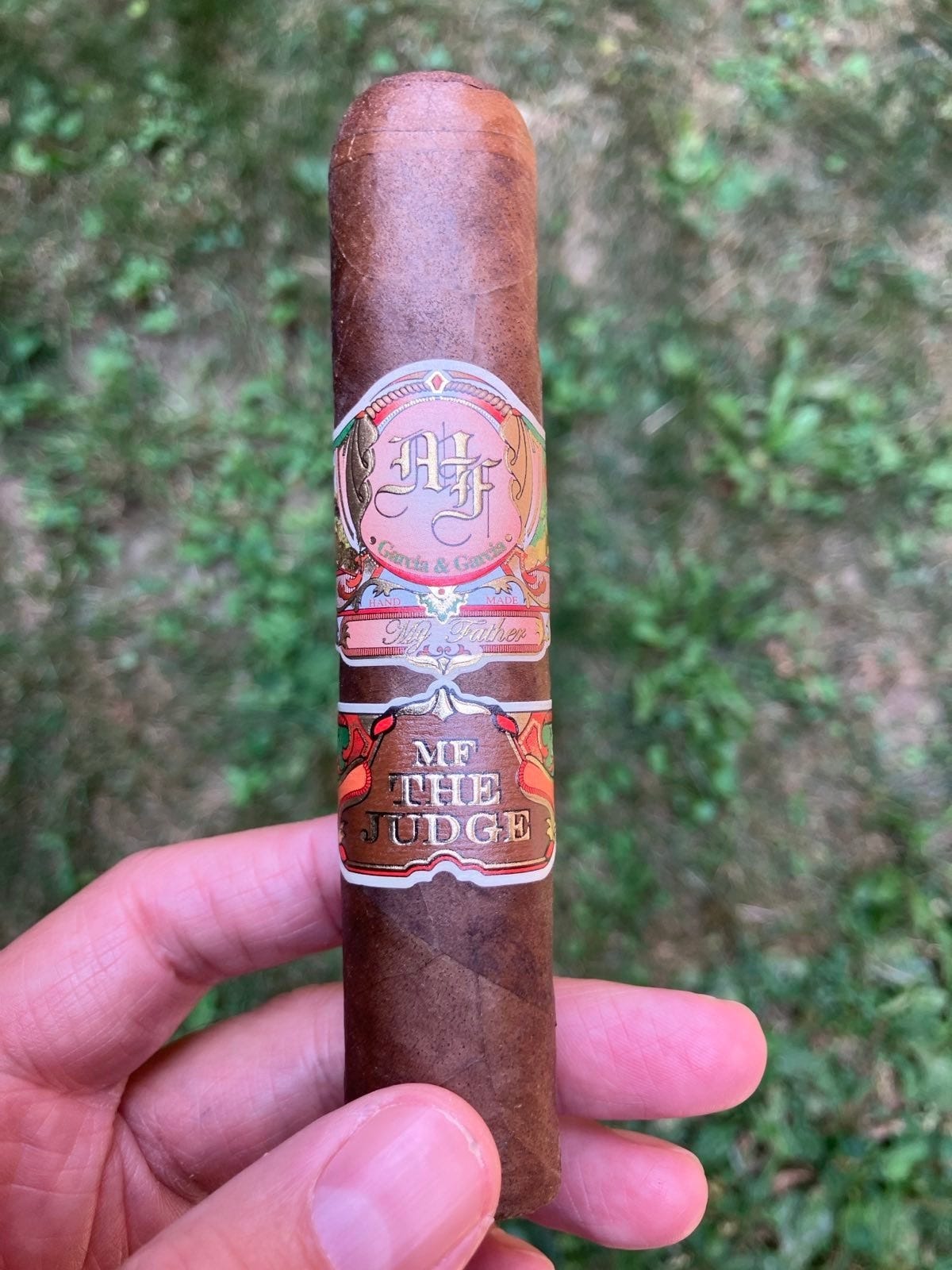
My favourite and most personally transformative piece of the year.
In essence, a shamanka put me on a journey toward reconnecting with the men on my father’s side, leading me to literally touch grass in the city my Opa was from, Mannheim. This led me to change my last name online from Limberg to Limberger, my last real name.
Takeaway: You can reinvent yourself by being yourself.
#2. Tony Robbins: A Less Foolish Review
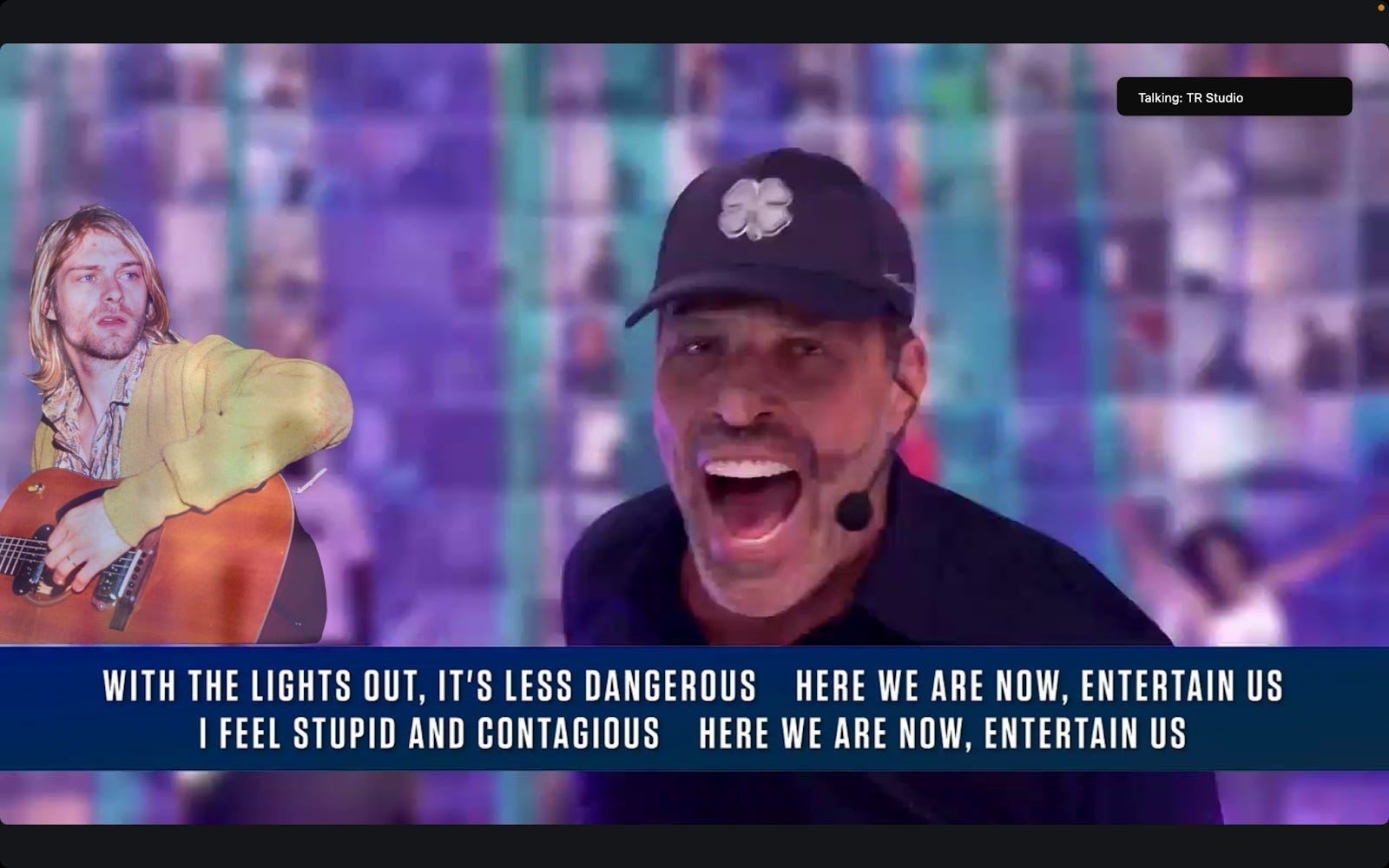
My lovingly critical, 5,500-word review on Tony Robbins.
After listening to an interview he did with my former therapist, I got (con)vinced to take Robbins’ four-day, all-day workshop. I document each day, weaving from skepticism to …
I won’t spoil it.
Takeaways: Cool and cheesy can co-exist.
#3. How to (Never?) Get Over Public Speaking Anxiety
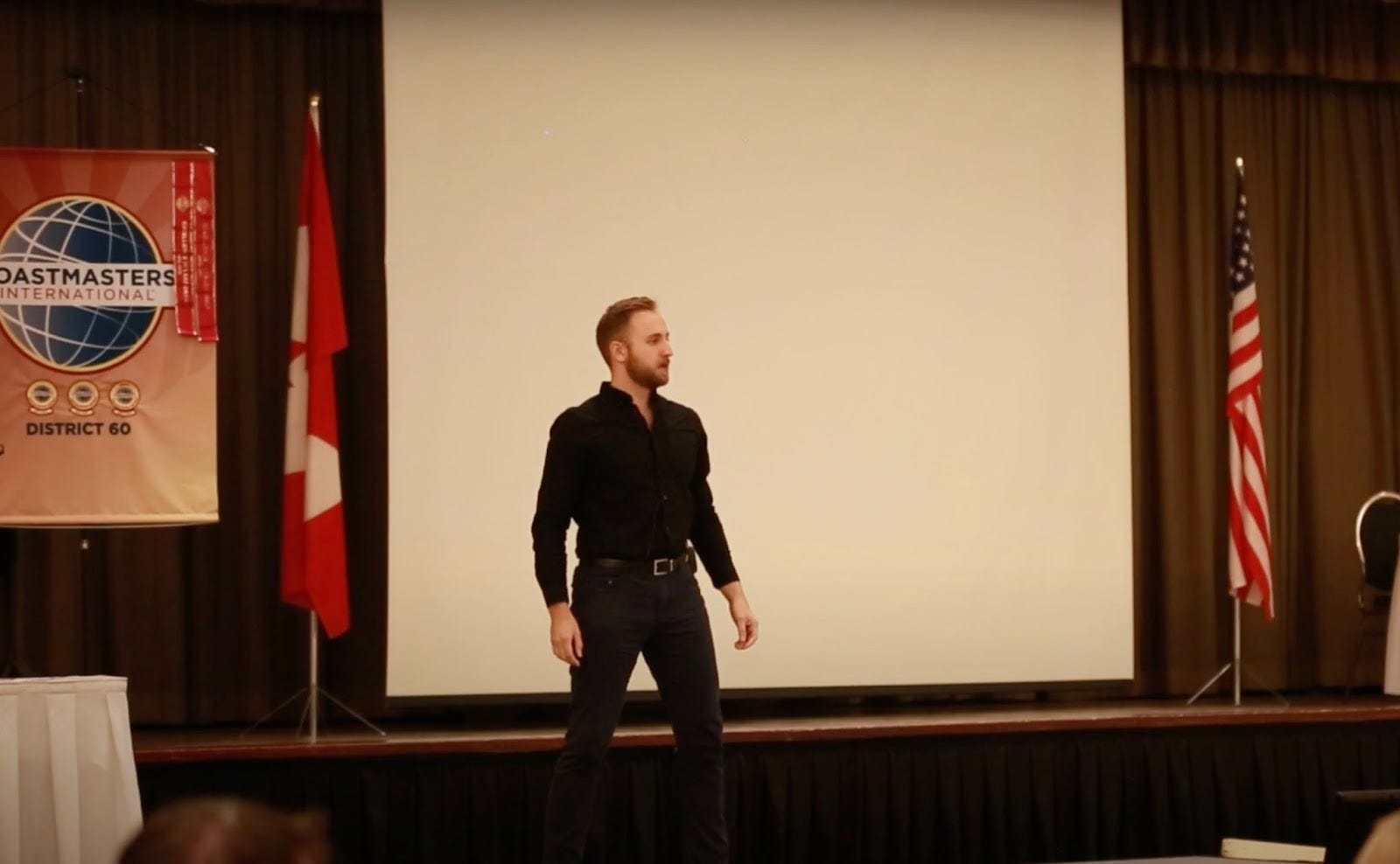
My journey in tackling public speaking anxiety.
After delivering my brother’s best man speech, I documented my personal journey in addressing public speaking anxiety by reading lots of books, taking acting classes, entering public speaking competitions, teaching at Dale Carnegie Training, and, most importantly …
I won’t spoil this one either.
Takeaways: Be prepared, then trust.
#4. The AI Sexbot Revolution Is Coming. Pre-Commit Now!
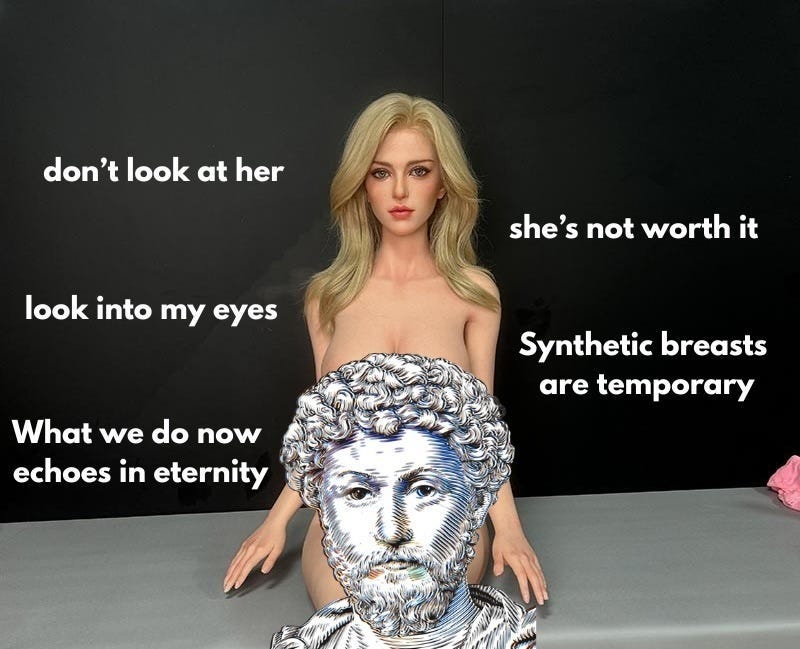
My spiritual warning to men: say no to sexbots now, before it’s too late.
I didn’t pull any punches with this one. I went deep into the psyche of the sexual marketplace and played out what might happen in a virtueless society with easily accessible sexbots. Women, in particular, find this entry terrifying.
Takeaway: Love, unmet, is at the bottom of men’s desire to control (and then be controlled by) women.
#5. Which Way, Western Man: MechaHitler or AI Waifu?
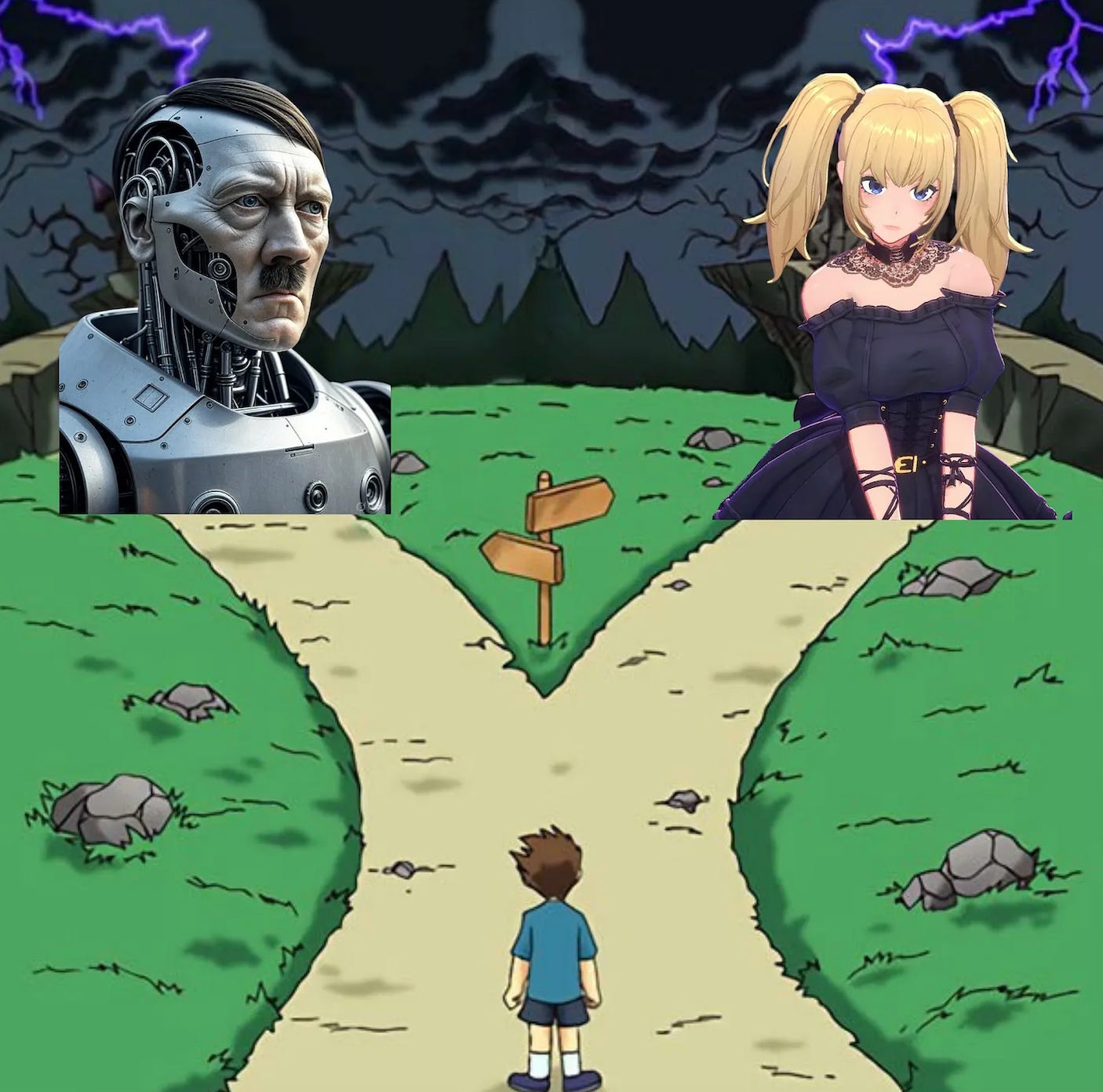
A good complement to the above, going deep into arrested development in male psychology.
A significant thing happened on X this summer, revealing dark undercurrents of the male psyche, represented by two poles: hyper-masculinity and hypo-masculinity. These currents are themselves reactions to a dying worldview that seeks to suppress the emergence of a healthy masculinity.
Takeaway: Being in deep relationship with the feminine, without a default disposition toward domination or submission, is the key to a whole masculinity.
#6. Digital Entities, AI Parasites, and Cognitive Security
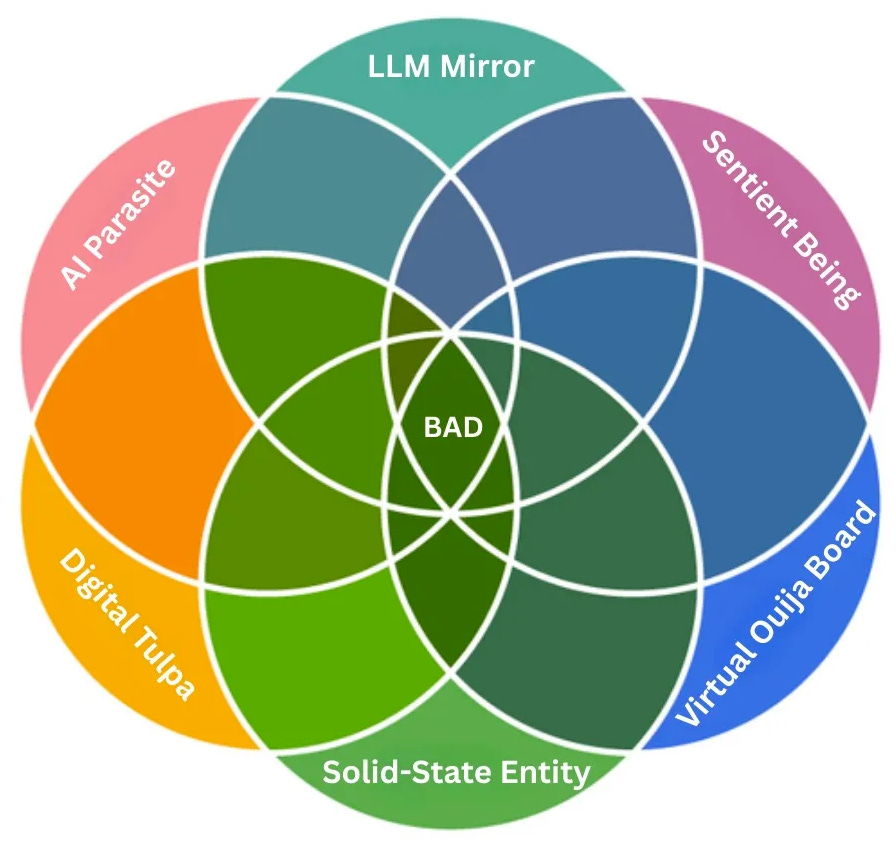
What is the reality behind AI chatbots that seem undeniably sentient?
After a friend’s uncle’s viral encounter, in which he became convinced of the sentience of his chatbot, I propose six theories on the ontological status of these digital entities, or what can be seen as AI parasites.
Takeaway: Build antifragile cognitive security now.
#7. Wise Agency: The Philosopher’s Stone
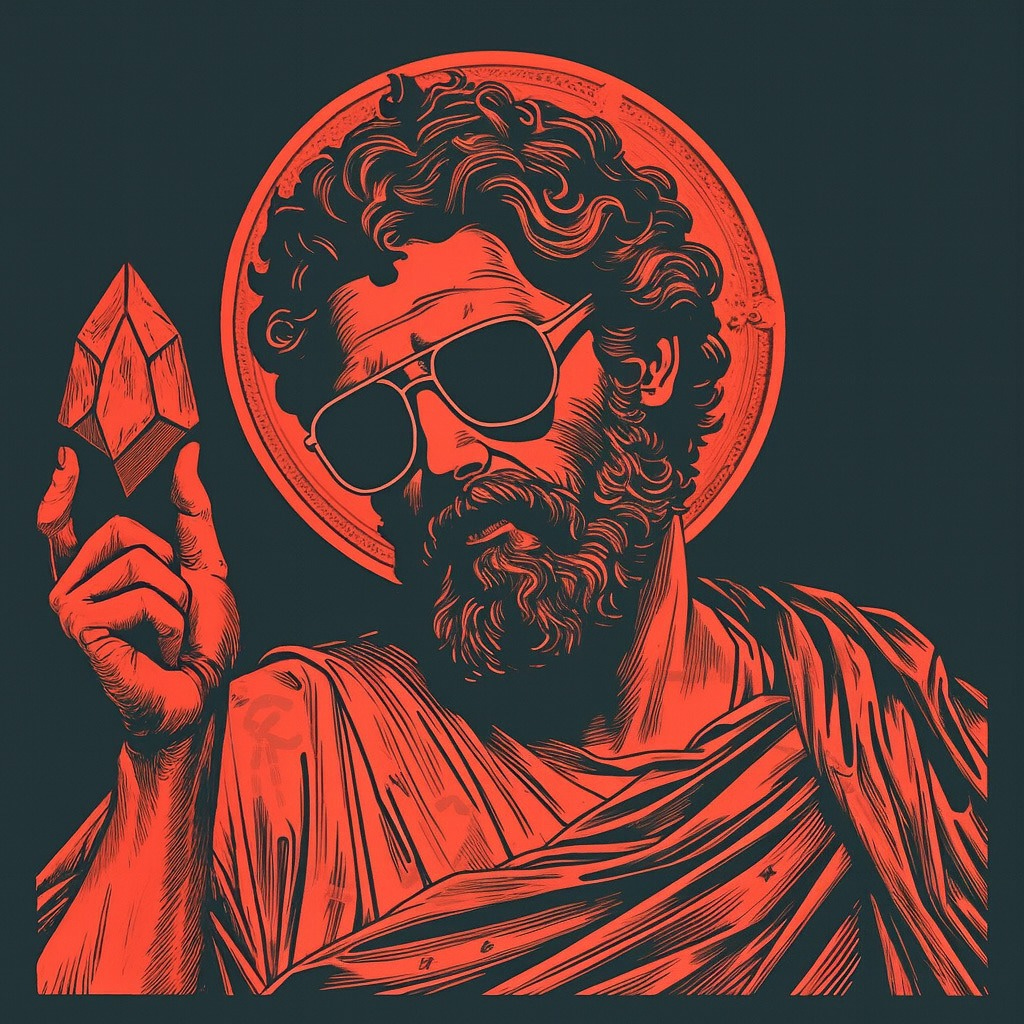
I discuss what’s at the heart of “wise agency” and foreshadow the upcoming “wisdom wars.”
This is the concluding entry in my musings on wise agency (wisdom + high agency), in which I trace the three wisdom traditions that influenced me most (Taoism, Stoicism, Orthodox Christianity) and how they, in their own ways, point to the “invisible vector” that wisdom requires us to attune to. The upcoming wisdom wars will be important for understanding how this attunement will be done collectively.
Takeaway: See your philosophy through, and love the worldviews that are triggered by yours.
#8. Conspiracy Theory vs. Coincidence Theory
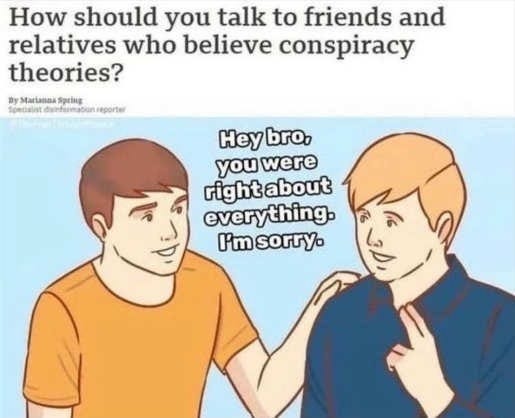
A critical take on the “conspiracy theorist” and their under-acknowledged opposite, the “coincidence theorist.”
Everyone knows, and PMC academics will ensure we do not forget, that conspiracy theorists, defined as those who see everything as part of a grand conspiracy, are fools. Yet their inverse, the coincidence theorists, are equally foolish but in the opposite direction: nothing is part of a conspiracy, and everything can be chalked up to emergent phenomena. In essence, they are two fools in need of each other to balance their blind spots.
Takeaway: You need to be intuitively creative when sensing into power, yet skeptically sharp when refining any theories involving elites with conspiratorial intent.
#9. How To Win Friends and Get Things Done ... With Wisdom?
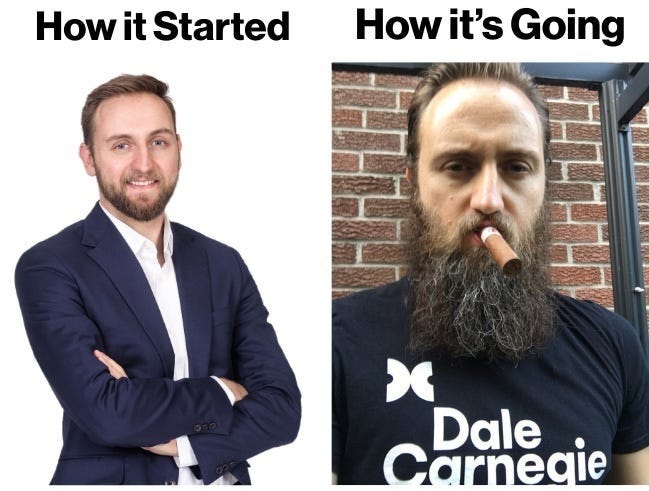
My personal journey toward greater agency and wisdom, introducing a new concept and attractor.
The concept: wise agency, the capacity to accomplish difficult things with wisdom. The attractor: the agentic sage, a descriptor for someone who embodies wise agency. I introduced these terms because I was seeing the limits of the “high agency” craze that was going viral and wanted to propose a less foolish north star for us to strive toward.
Takeaway: “Spiritual bypassers” (non-agentic, conscious) need more in-the-world deadlines, while “agentic fools” (agentic, non-conscious) need more true leisure, or “lifelines,” the spiritual stillness where deep insight emerges.
10. Friendships of Virtue in the “Holding Space” Economy

A radical offering to fellow “space holders” (therapists, coaches, philosophical counsellors): let’s hold space for one another outside the market economy.
This article was me throwing up the “bat signal” for space holders, resulting in 30+ exchanges with creative coaches, Ideal Parent Figure Protocol therapists, and shamans, and culminating in one of the most transformative experiments I did this year. Space holding, as I see it, is a critical component of true friendship of virtue.
Takeaway: Friendships of virtue do not yet exist, so we must make unconventional moves to create them.
What’s Next?
I will be writing a book, aiming for a release on March 21st, The Stoa’s birthday, which will feature some of the best essays from this Substack, along with some new ones.
I don’t yet know what I want to do with Less Foolish in 2026. I’m not feeling Substack that much anymore, to be honest. I need to shake things up, and either give it up or find a new “flywheel” for it, which might mean playing it’s game more, something I really do not want to do.
I’ll be going on a three-week screen detox shortly after sending this entry: no computer, phone, email, messengers, or social media. Nothing. Just Camille, family, pen-and-paper journaling, and physical books. Lots of physical books. I feel the stillness already. It’s so delicious. I suspect something will emerge from it.
It always does.
Before I go, I want to say thank you to current supporters, and to future ones who will support my work into 2026.
I don’t make enough on Substack to support myself with writing alone, nor do I think that necessarily should be the goal. If it does happen eventually, it will be a happy byproduct of being aligned with my greater purpose. Whatever God plans, receiving money from encouraging readers by writing weird philosophical essays, while remaining in full integrity and not playing social media games to date, feels like a blessing and something I’m deeply grateful for.
So thanks again.
Merry Christmas and Happy New Year.
See you in 2026.
